Jonny Greenwood, Radiohead guitarist: ‘Cancelling music is the same as taking books off shelves’
On the heels of a tour and Oscar nomination for the ‘One Battle After Another’ soundtrack — and amid criticism of his rejection of the Israel cultural boycott — the musician releases ‘Ranjha’ with Shye Ben Tzur and The Rajasthan Express
David Saavedra / Photos by Shin Katan
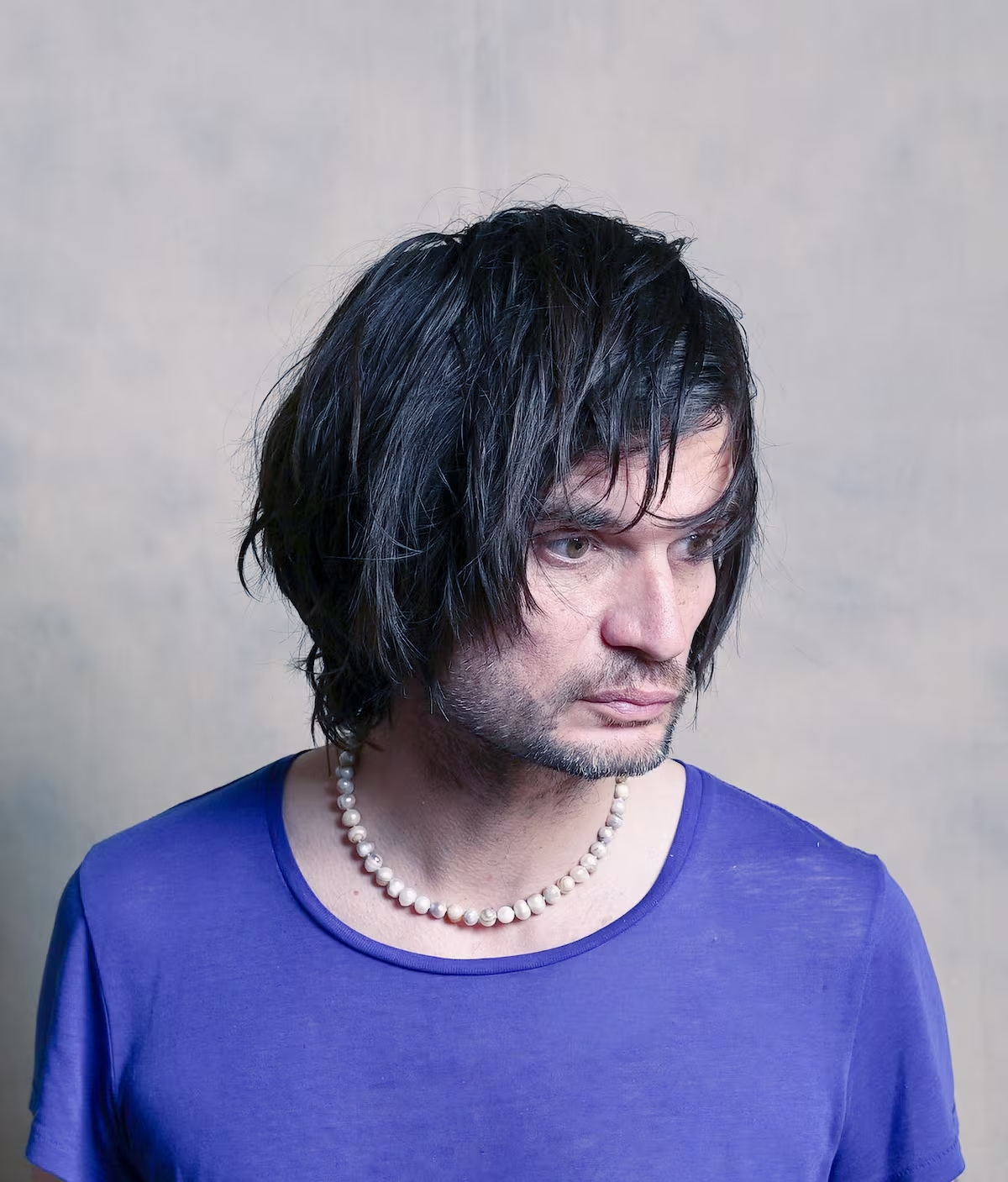
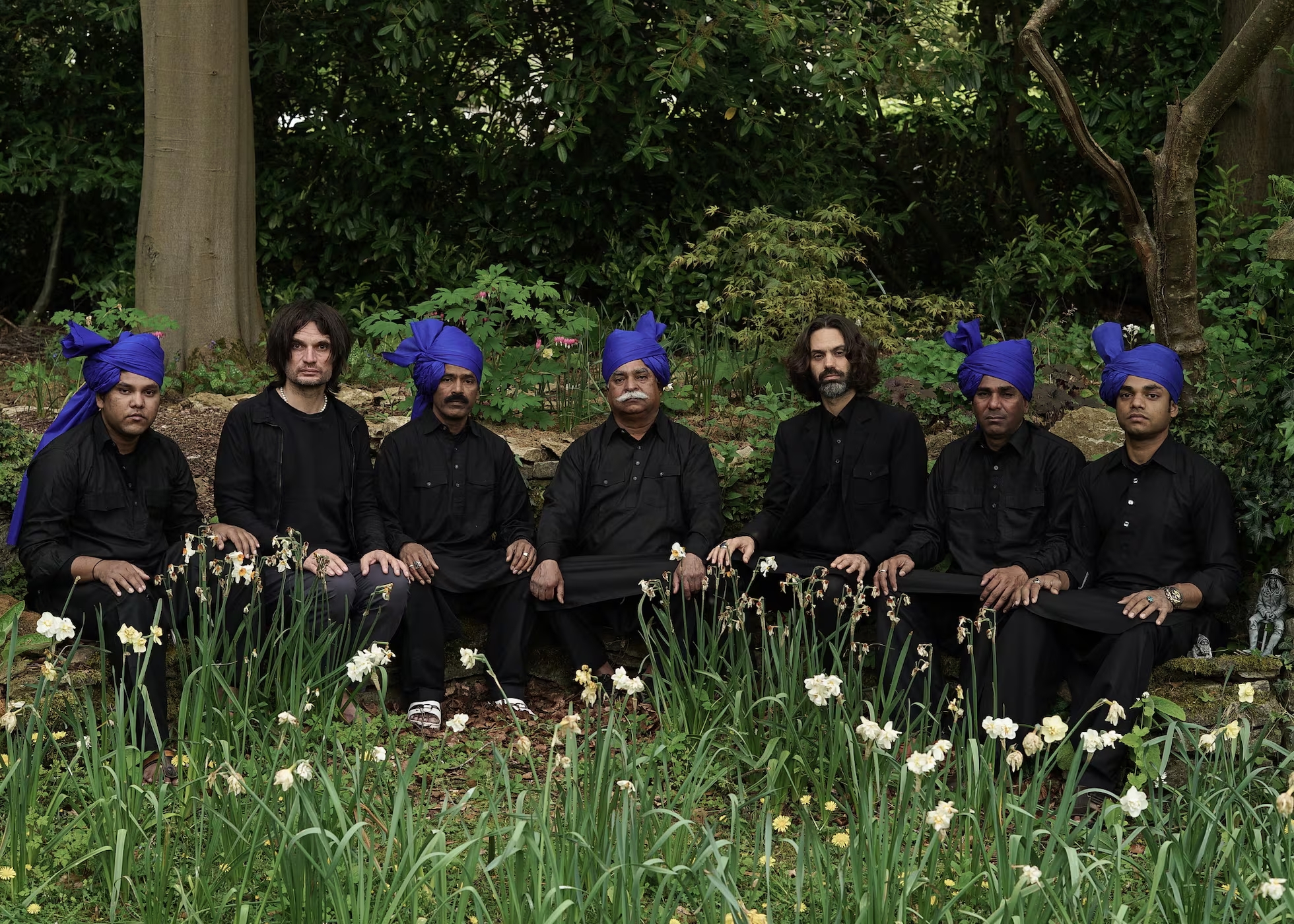
Until not too long ago, Jonny Greenwood (Oxford, United Kingdom, 54 years old) was largely known for being the guitarist of Radiohead. But the repertoire of the classically trained musician goes well beyond that role. He has composed pieces for the London Contemporary and BBC Concert Orchestras and, famously, the soundtrack for every Paul Thomas Anderson film since There Will Be Blood (2007). He has been nominated for three Oscars for best original soundtrack (most recently, this year for One Battle After Another). Plus, he has recorded three albums with The Smile, another group he shares with Radiohead vocalist Thom Yorke, and that is rounded out by drummer Tom Skinner. He’s collaborated on projects with artists from the Middle East, the Israeli singer-songwriter Dudu Tassa — controversially — as well as Shye Ben Tzur and The Rajasthan Express, a group of musicians spread throughout Israel and India, with whom he has made two albums. The first of these, Junun, was released in 2015 to critical success, and was accompanied by a documentary directed by Anderson himself. 11 years later, the same crew of musicians is back with Ranjha. The musician speaks with EL PAÍS on a video call from his home in Oxford.
Question. What is most special to you about this album?
Answer. I just think it’s quite unusual to be doing music that’s so sincerely religious, devotional. These Indians are singing about their sincere belief and faith in the Sufi saints and and the divine, and singing about it with real passion and aggression, and it’s beautiful. There aren’t many bands making music about that subject in my background. Great bands, right? But they either sing about their alienation or fast cars and girls and drinking. I think lots of people visit India as tourists and come away with an impression of its music, but what’s different about Shye, who was born in New York and grew up in Israel, is that he dedicated his life to Indian music. His conviction really impressed me, his dedication and passion for the music, and that he takes it so seriously and understands it so well.
Q. Radiohead took these musicians on tour as the group’s opening act in 2017 and 2018. What was the fans’ reaction?
A. They reacted really well. Their rhythms are so fascinating and the conviction and strength of their singing is very passionate. It’s like seeing a funk band, you’ve got the same sort of repetition, the same passionate frontman, the same kind of bass lines...
Q. You seem to have a very symbiotic relationship with Paul Thomas Anderson.
A. Well he’s a very good friend, and he likes to joke around with me. He’s also a big music fan. I love how he makes fun of me and at the same time, gets so excited about what I do. He’s a very funny man, like his movies.
Q. What is your composition process like for him? Does it follow the same lines, or is it different every time?
A. Each project is different. I think the only similarity his movies share is that they are hilarious, yet take on very serious subjects. That’s why the music has to be sincere, there’s nothing ironic in it, it’s not a joke.
Q. I imagine you receive a lot of offers to make soundtracks. What makes you accept or reject a project?
A. Well, composing music for a movie is a little bit like joining a band. You’re in a band with the director, so it’s about working out if they’re the right person, you know, and if they have a similar sense of humor, and just sharing that passion. I suppose that what convinces me is the story and what you can do with the music, with the orchestras and the instruments. It’s an incredible amount of work — at first you feel as if there are no limits, that’s what makes it so fun.
Q. Your work is so prolific. What is your daily routine like?
A. I wake up thinking about something to try with the guitar or with a computer, I usually can’t wait to start. It’s a wasted day when I haven’t had time to work on something new. Right now, I’m playing the guitar a lot and trying to create a computer program that helps me to compose new music.
Q. Last November, Radiohead went on tour after not having played together for seven years. How did that feel and what was its true meaning?
A. It felt amazing. I just stood there listening to Thom singing, thinking ‘What an amazing sound. What great songs.’ We’re very lucky we can still do it and people want to see it. There were some great shows, in Madrid they were particularly fun. We’re very bad at forward planning as a band, and when we go on tour, we have to decide like a year and a half before the concerts begin, which is crazy. We’re talking about how to do it again, but obviously nothing will happen for ages.
Q. Does that mean that there won’t be a new album any time soon?
A. I have no idea. Thom’s working on recording by himself, so he wants to finish that and then like I said, we don’t plan ahead, so yeah, no one knows yet.
Q. Are you planning to go on tour with Shye and The Rajasthan Express?
A. We would love to, but it’s so expensive getting eight or nine Indians to come to Europe. We have to wait and see if anybody’s interested in the record.
Q. A year ago, the concerts you were going to do with Dudu Tassa in the United Kingdom were canceled after a boycott. The organization that promoted the campaign holds that, for example, the rejection of South African artists was fundamental to ending apartheid. You expressed your disagreement at the time. Has your opinion changed since then?
A. [Long silence] I’m a fan of lots of Israeli films and writers and musicians, and the music I make with Dudu is resurrecting songs that are older than most of the countries that are currently fighting each other. That’s always going to be more important to me. There are bookshops in Madrid that are openly selling Amos Oz’s novels and he’s Israeli. To me, cancelling music is the same as taking books off shelves.
Q. I know you are well aware of the situation there. [Greenwood has been married to Israeli visual artist Sharon Katan since 1995.] What is it like to experience what is happening right now in Palestine and Lebanon, from the perspective of the Israeli people?
A. David, I’m not sure how that connects to me making a record with Indians in Oxford.
At this point, the BMG music label representative asks that the interview focus exclusively on music. The journalist is not allowed to ask the two questions he had prepared regarding Palestine, about how it felt for Greenwood to see British peers detained for having protested in support of the organization Palestine Action and whether Radiohead had internal discussions on the subject.
Last October, the British newspaper Sunday Times published an interview with Radiohead — the last in which the group jointly addressed the conflict — in which Yorke said, “I wouldn’t want to be 5,000 miles anywhere near the Netanyahu regime.” To which Greenwood responded, “I would argue that the government is more likely to use a boycott and say, ‘Everyone hates us — we should do exactly what we want.’ Which is far more dangerous.” In that same interview, the guitarist said he had attended protests in Tel Aviv’s Hostages Square. “I have been to anti-government protests in Israel and you cannot move for all the ‘Fuck [Minister of National Security Itamar] Ben-Gvir’ stickers. I spend a lot of time there with family and cannot just say, ‘I’m not making music with you fuckers because of the [Israeli] government.’ It makes no sense to me. I have no loyalty — or respect, obviously — to their government, but I have both for the artists born there.”
Q. Does it make you more nervous to play in classical music venues or on rock stages at music festivals?
A. Classical music tends to expose you more. I feel safer in a group. When I play with Radiohead, I feel like I am in the audience, listening to the band. But if I’m in an auditorium playing a Steve Reich piece on the guitar, I am the band playing for the public.
Q. When you make music, what are you trying to avoid?
A. Boredom, needless repetition. And it’s tough, because you want the next note on the next chord to be a surprise, but it’s also got to be right, satisfying, and not be a cliché. You’ve got to find the middle ground between these three points. Some songs, you hear the first two chords and you know the next four chords, and that I find depressing. But sometimes, you hear music that’s just so random and alarming that it’s exhausting and it makes you tired, because it’s just about the next chord or the next note each time.
Q. Is it harder to compose classical music or a rock song?
A. It’s so different, because classical music is all on paper and you work on it for six months or longer and then it’s all over in one hour, you hear it once and that’s it. You can’t really tell if it’s going to work until you hear it, and by then it’s too late. Someone once told me it’s like a firework display; you spend ages setting it up, days and days, and then it’s all over in five minutes. With rock music, you know what it’s going to sound like from the beginning, but with classical music, you have to hear it in your head and it’s quite different.
Q. Who are your musical heroes?
A. Tom Waits, Olivier Messiaen… who else? I really like jazz trumpet players like Lee Morgan and Freddie Hubbard. And I love Steve Reich. I think that his music is very interesting and he is a true master. It was interesting when I got to work on the recording of one of his pieces, Electric Counterpoint. I had to learn the score really well, and eventually you realize there’s all these little changes he makes so that everything fits these tiny adjustments. It sounds like he’s just put everything on top of each other, but there’s lots and lots of thought gone into it.
Shye Ben Tzur, the Sufi-inspired Hebraic poet
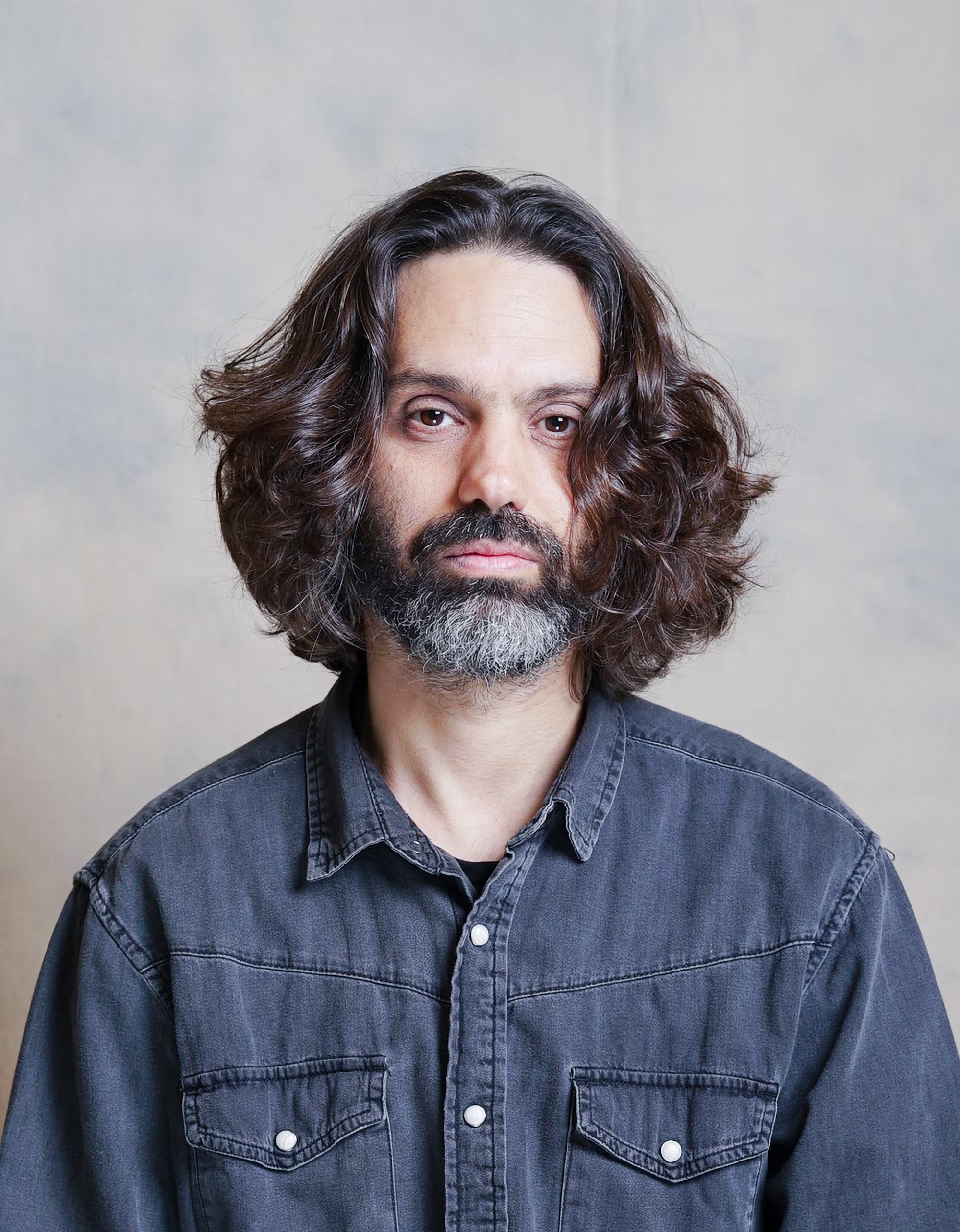
When Greenwood approached Shye Ben Tzur to make music together, the latter was not familiar with Greenwood’s work. “I knew Creep and a couple other Radiohead songs from high school, but at the end of the 1990s, I dedicated myself to listening to classical music from India and the qawwali genre,” he says, referring to Sufi devotional songs, which is now the style in which the musician works, recording songs in Hebrew. “I have composed music since I was a kid, and I’ve always been looking for something new, something fresh, something different. At the time, I needed new sources of inspiration, and to listen to things that weren’t directly related to my typical style. A friend brought me to a concert in Jerusalem of classical Indian music and it was really special. Incredible. After that, I decided I needed to go to India to better understand that music, that art form. I stayed longer to go deeper into the subject, and then a little longer, and now I’m still trying to understand it better,” says the musician, who connects to the video call with EL PAÍS from somewhere in Israel.
Junun, his first project with the Radiohead guitarist, proved to be a transformative experience, but the nonconformist nature of the Oxford musician was the most surprising aspect. “I felt like we had found something truly special, so when we started this second album, I thought, ‘OK, that was great, let’s do it again!’ But he told me, ‘No, that was incredible, let’s do something else!” The same thing happened during the recording process. We sat down to play and it sounded so beautiful. Suddenly, he decides he wants to swap out the guitar for a synthesizer, and then he decides he wants to try something completely different with the rhythms. It is a constant development, an exploration that goes deeper and deeper. Jonny always wants to go somewhere else,” says the musician.
Hasta hace no mucho, Jonny Greenwood (Oxford, Reino Unido, 54 años) era sobre todo conocido como el guitarrista de Radiohead. Sin embargo, este músico de formación clásica tiene un bagaje mucho más amplio. Ha compuesto piezas para orquestas como la London Contemporary o la BBC Concert Orchestra y, más notoriamente, todas las bandas sonoras de los filmes de Paul Thomas Anderson desde Pozos de ambición (2007). Ha sido nominado hasta tres veces al Oscar a la mejor banda sonora original (la última, este mismo año por Una batalla tras otra). Además, ha grabado ya tres álbumes con The Smile —el otro grupo que comparte con Thom Yorke, vocalista de Radiohead, y que completa el batería Tom Skinner— y ha emprendido proyectos de colaboración con artistas de Oriente Medio como el israelí Dudu Tassa —de modo bastante controvertido—, y con Shye Ben Tzur y The Rajasthan Express, una agrupación de músicos repartidos entre Israel e India con quien ha hecho dos discos. El primero de ellos, Junun, se publicó en 2015 con bastante buena acogida por parte de la crítica, y se acompañó de un documental dirigido por el propio Paul Thomas Anderson. 11 años después, el mismo elenco se ha reencontrado en Ranjha. El músico ha atendido a ICON mediante videollamada desde su casa en Oxford.
¿Qué es lo más especial de este proyecto para usted? Creo que es bastante inusual hacer música tan sinceramente religiosa y devocional. Estos indios cantan sobre su fe y su creencia en los santos sufíes y lo divino, y lo hacen con verdadera pasión y vehemencia, y es precioso. No hay muchas bandas que hagan música sobre este tema en mi entorno. Hay grandes grupos, claro, pero o cantan sobre su alienación, o sobre coches rápidos, chicas y alcohol. Por otro lado, mucha gente va a la India como turista y se queda con detalles de su cultura, pero lo que diferencia a Shye, que nació en Nueva York y creció en Israel, es que ha dedicado su vida a la música de ese país. Su convicción me impresionó mucho, así como su dedicación y pasión por la música, y que se la tome tan en serio y la entienda tan bien.
Radiohead se llevó de teloneros a todos estos músicos en 2017 y 2018. ¿Cómo reaccionaron los fans? Muy bien. Se quedaron fascinados con los ritmos, la convicción y la fuerza de su canto. Es como ver a una banda de funk, porque tienen el mismo sentido de la repetición, el mismo tipo de líder apasionado, las mismas líneas de bajo…
Con Paul Thomas Anderson parece tener una relación bastante simbiótica… Bueno, es muy buen amigo y le gusta bromear conmigo. Es muy entusiasta con la música también. Me encanta que se ría de mí y, a la vez, se emocione tanto con lo que hago. Es un hombre muy gracioso, como sus películas.
¿Cómo es su proceso de composición para él? ¿Hay algún aspecto común o cada caso es diferente? Cada trabajo es distinto. Creo que la única similitud entre sus películas es que son hilarantes, pero también abordan temas muy serios. Por eso la música tiene que ser sincera, no hay nada irónico en ella, no es un guiño.
Supongo que recibirá muchas ofertas para hacer bandas sonoras. ¿Qué le lleva a decidirse por un proyecto o rechazarlo? Bueno, componer música para una película es un poco como unirse a una banda. Estás en un grupo con un director, así que se trata de averiguar si es la persona adecuada, si tiene un sentido del humor similar, y simplemente compartir la pasión. Supongo que lo que me convence es la historia y lo que se puede hacer con la música, con las orquestas y los instrumentos. Es una labor increíble, al principio sientes que no hay límites, por eso es tan divertido.
Su obra es muy prolífica. ¿Cómo es su rutina diaria de trabajo? Me levanto pensando en algo que probar con la guitarra o con el ordenador y normalmente estoy deseando empezar. Es un día perdido si no he tenido tiempo de trabajar en algo nuevo. Ahora mismo estoy tocando mucho la guitarra y tratando de crear un programa informático que me ayude a componer música nueva.
En noviembre del año pasado, Radiohead volvió de gira después de siete años sin tocar. ¿Cómo se sintió al hacerlo y cuál era el verdadero significado de esto? Fue increíble. Hubo un momento en que me quedé allí parado escuchando a Thom cantar y la banda tocar y pensando: ¡Qué sonido tan increíble! ¡Qué canciones tan geniales! Tenemos mucha suerte de poder seguir haciéndolo y que la gente quiera vernos. Hubo algunos conciertos geniales, especialmente divertidos, sobre todo en Madrid. Somos muy malos planificando con antelación como grupo, y cuando salimos de gira, tenemos que decidirlo con un año y medio de adelanto, lo cual es una locura. Estamos hablando de cómo hacerlo de nuevo, pero obviamente no pasará nada en mucho tiempo.
¿Eso quiere decir que no hay nuevo álbum a corto plazo? No tengo ni idea. Thom está trabajando en una grabación por su cuenta, así que quiere terminarla y luego, como dije, no planificamos con antelación, así que nadie lo sabe todavía.
¿Planea salir de gira con Shye y The Rajasthan Express? Nos encantaría, pero es muy caro conseguir que ocho o nueve indios vengan a Europa. Tenemos que esperar a ver si hay el suficiente interés en el disco.
“La música clásica tiende a exponerte más. Yo me siento más seguro en grupo. Cuando toco con Radiohead, me siento como si yo estuviese entre el público escuchando a la banda”
Hace un año, los conciertos que iba a realizar con Dudu Tassa en Reino Unido fueron cancelados tras una campaña de boicot. La organización que la promovía considera que, por ejemplo, el veto a artistas sudafricanos fue fundamental para terminar con el apartheid. Usted mostró su disconformidad en aquel momento. ¿Ha cambiado su planteamiento? (Largo silencio) Soy fan de muchas películas, escritores y músicos israelíes, y la música que hago con Dudu rescata canciones que son más antiguas que la mayoría de los países que actualmente están en conflicto. Eso siempre será más importante para mí. Cuando estuve en Madrid vi que había librerías que vendían abiertamente las novelas del escritor israelí Amos Oz, y no parece que hubiera ningún problema con eso. Para mí, cancelar la música es lo mismo que retirar los libros de las estanterías.
Sé que conoce muy bien la situación en ese país [Greenwood está casado con la artista visual israelí Sharona Katan desde 1995], ¿cómo se vive desde dentro lo que está sucediendo ahora mismo en Palestina y Líbano, desde la perspectiva del pueblo israelí? David, no estoy seguro de cómo se relaciona eso con que haya grabado un disco con músicos indios en Oxford.
En este momento, el representante de la discográfica, BMG, pide que la entrevista se centre únicamente en la música. Las dos preguntas que este periodista tenía preparadas sobre Palestina —sobre cómo se sintió al ver a otros colegas británicos detenidos por manifestarse en apoyo de la organización Palestine Action y si se habían producido discusiones internas en el seno de Radiohead— no pueden formularse.
El pasado octubre, el Sunday Times británico publicó una entrevista con Radiohead —la última en la que la banda ha abordado de forma conjunta el conflicto— en la que Thom Yorke afirmaba: “Prefiero no estar ni a 5.000 kilómetros del régimen de Netanyahu”. A lo que Greenwood respondía: “Los boicots solo refuerzan al gobierno, que los usa para decir que, como todo el mundo los odia, pueden hacer lo que les dé la gana. Y eso es mucho más peligroso”. En esa misma entrevista, el guitarrista aseguraba haber asistido a protestas en la llamada Plaza de los Rehenes, en Tel Aviv: “No puedes moverte por allí sin ver pegatinas que dicen ‘F*** Ben Gvir’ [Que le jodan a Ben Gvir, ministro de Seguridad Nacional]. Paso mucho tiempo en Israel con mi familia y no puedo simplemente decirle a la gente: ‘No voy a hacer música contigo por culpa de tu gobierno’. Eso no tiene ningún sentido para mí. No siento lealtad ni respeto por el gobierno israelí, pero sí por los artistas que nacieron allí“.
¿Se siente más nervioso tocando en salas de conciertos de música clásica o en escenarios de rock en grandes festivales? La música clásica tiende a exponerte más. Yo me siento más seguro en grupo. Cuando toco con Radiohead, me siento como si yo estuviese entre el público escuchando a la banda. En cambio, si estoy en un auditorio tocando una pieza de Steve Reich a la guitarra, yo soy la banda que está tocando para el público.
La grabación es un desarrollo constante, una exploración cada vez más profunda. Jonny siempre quiere ir a otro sitio”
Shye Ben Tzur
Cuando hace música, ¿qué es lo que siempre intenta evitar? El aburrimiento, la repetición innecesaria. Y es difícil, porque quieres que la siguiente nota del siguiente acorde sea una sorpresa, pero también tiene que ser correcta, satisfactoria y no un cliché. Tienes que encontrar el punto medio entre estos tres aspectos. Hay algunas canciones en las que oyes los dos primeros acordes y ya sabes cómo van a ser los cuatro siguientes, y eso me deprime. Pero a veces escuchas música tan aleatoria que resulta agotadora y te cansa, porque todo gira en torno al siguiente acorde o la siguiente nota.
¿Es más difícil componer música clásica que una canción rock? Es muy diferente, porque la música clásica está toda en papel mientras trabajas en ella durante seis meses o más, y luego todo se acaba en una hora, la interpretas una vez y ya está. No puedes saber si va a funcionar hasta que la escuchas, y para entonces ya es demasiado tarde. Una vez me dijeron que es como un espectáculo de fuegos artificiales: te pasas días y días preparándolo y luego todo se acaba en cinco minutos. Con una canción rock ya tienes una idea, sabes cómo va a sonar desde el principio, pero con la música clásica tienes que escucharla en tu cabeza y es muy diferente.
¿Quiénes son sus mayores ídolos musicales? Tom Waits, Olivier Messiaen… ¿Quién más? Me gustan muchos trompetistas de jazz, como Lee Morgan y Freddie Hubbard. Y me encanta Steve Reich. Creo que su música es muy interesante y él es un verdadero maestro. Fue interesante cuando tuve que trabajar en la grabación de una de sus piezas, Electric Counterpoint. Tuve que aprenderme la partitura muy bien, y al final te das cuenta de todos esos pequeños cambios que hace para que todo encaje con esos diminutos ajustes. Parece que lo ha puesto todo amontonado, pero hay muchísimo trabajo detrás, lo que me hace admirarlo aún más.
Shye Ben Tzur, el hebreo sufí
Cuando Jonny Greenwood abordó a Shye Ben Tzur para hacer música juntos, este no estaba familiarizado con su música. “Conocía Creep y alguna canción más de Radiohead, de cuando iba al instituto, pero a finales de los años noventa ya me dediqué a escuchar solo música clásica de la India y mucho género qawwali", dice, aludiendo a los cantos devocionales sufíes: es el estilo que cultiva el músico y graba en hebreo. “Yo compongo música desde que era niño, y siempre he estado buscando algo nuevo, algo fresco, algo diferente. En aquel entonces, necesitaba nuevas fuentes de inspiración, y escuchar cosas que no estaban directamente relacionadas con mi estilo habitual. Un amigo me llevó en Jerusalén a un concierto de música clásica india y fue algo muy especial. Increíble. Después de eso, decidí que necesitaba ir a la India para comprender mejor esa música, esa forma de arte. Me quedé más tiempo para profundizar en el tema, y luego un poco más, y aún sigo intentando comprenderlo mejor”, afirma Shye Ben Tzur, al otro lado de la pantalla, desde algún lugar de Israel.
Junun, su primer encuentro con el guitarrista de Radiohead, fue para él una experiencia transformadora, pero el carácter inconformista del músico de Oxford es lo que más le ha sorprendido. “Yo sentía que habíamos encontrado algo realmente especial, así que, al plantear este segundo álbum, pensé: “¡Vale, esto es genial, hagámoslo de nuevo!”, pero me dijo: “¡No, aquello fue increíble, hagamos otra cosa!”. Lo mismo ocurrió durante el proceso de grabación. Nos sentábamos a tocar y sonaba muy bonito. De repente, decide que quiere cambiar la guitarra por un sintetizador, y luego decide que quiere probar algo completamente diferente con los ritmos. Es un desarrollo constante, una exploración cada vez más profunda, Jonny siempre quiere ir a otro sitio”, apunta el músico.